
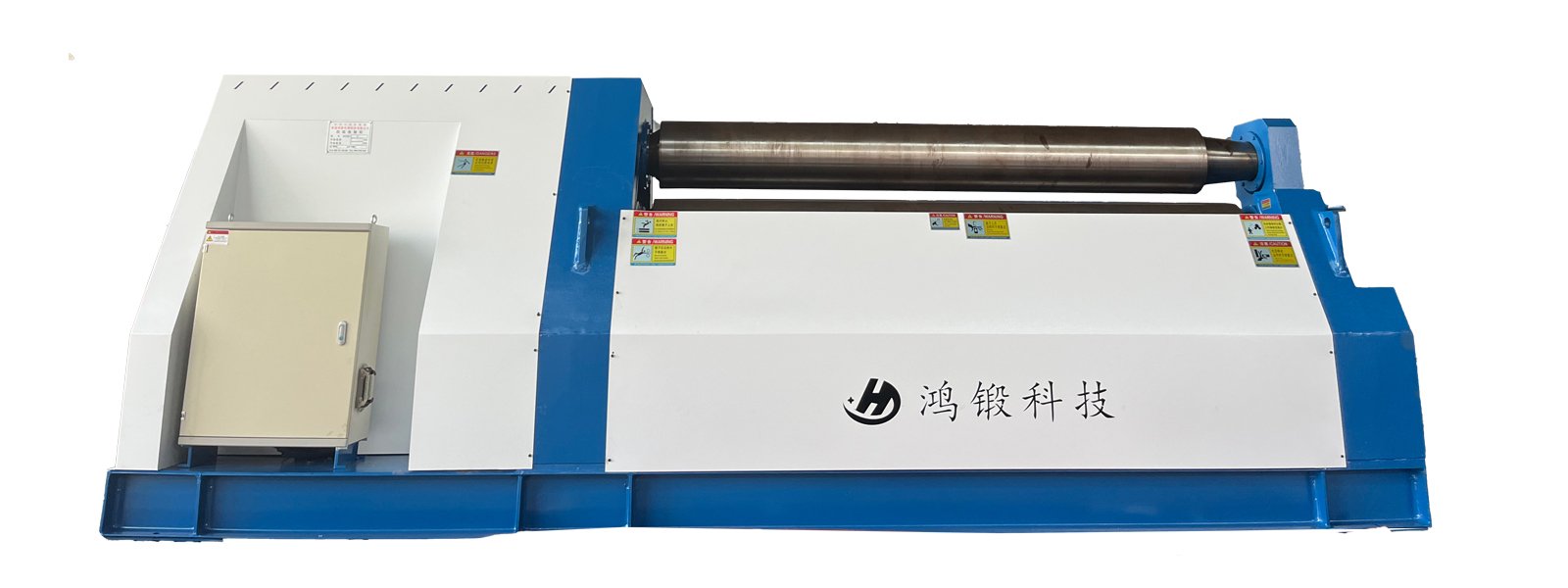
W12CNC 20x2000 4 Roll Plate Rolling Machine
The W12CNC 20x2000 4 Roll Plate Rolling Machine is a CNC hydraulic plate rolling solution designed for steel plate pre-bending and cylindrical forming, with 20 mm maximum rolling thickness, 16 mm pre-bending capacity and a 2050 mm roll length.
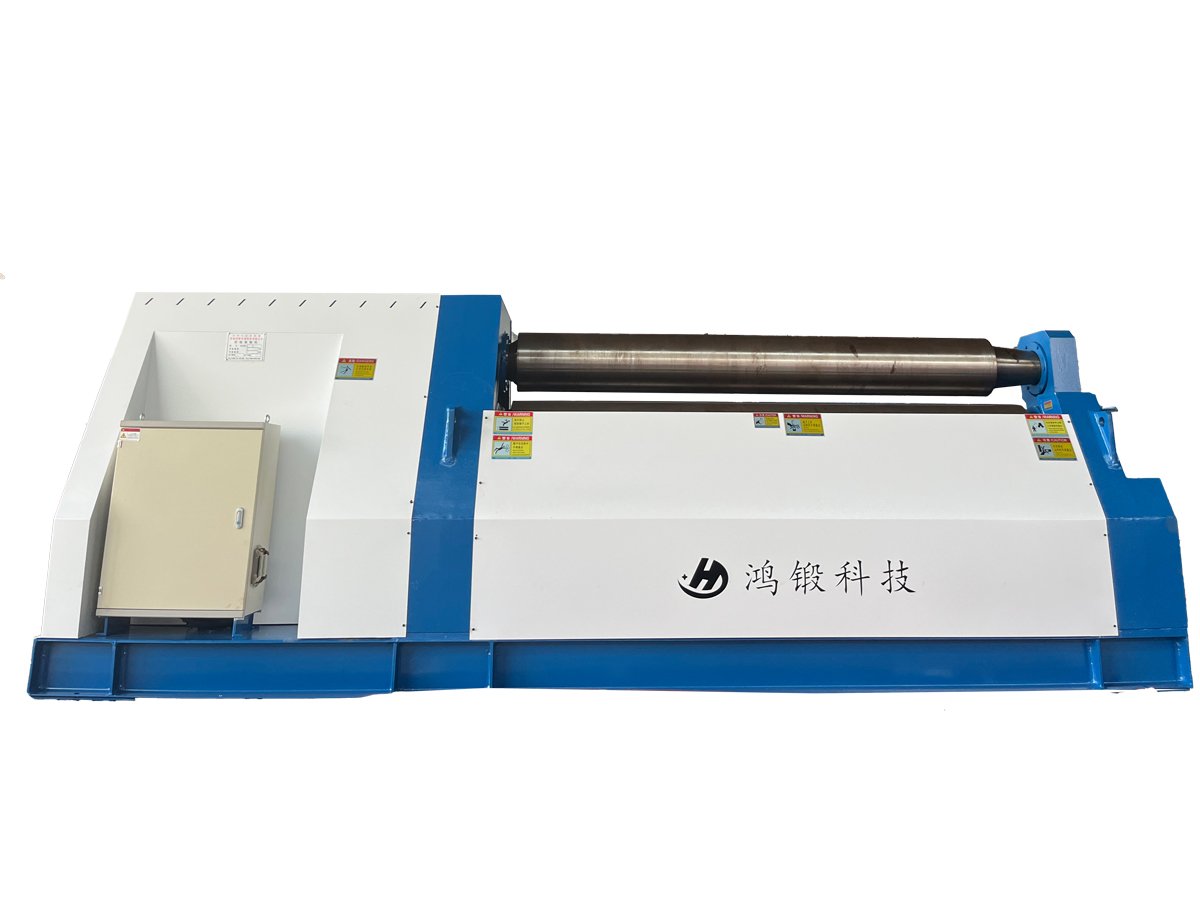
CNC Hydraulic 4-Roll Plate Rolling Machine for Steel Plate Forming
The W12CNC 20x2000 4 Roll Plate Rolling Machine is designed for industrial steel plate pre-bending, cylinder rolling and curved plate forming.
The machine uses one upper roll, one lower roll and two side rolls. The upper roll acts as the driven roll, while hydraulic movement of the lower and side rolls supports plate clamping, alignment, pre-bending and rolling.
With a maximum plate thickness of 20 mm, maximum pre-bending thickness of 16 mm and a roll length of 2050 mm, the machine is suitable for professional metal fabrication businesses producing cylindrical and curved steel components.
Why Choose the W12CNC 20x2000 4 Roll Plate Rolling Machine?
Four-roll construction combines plate clamping, pre-bending, alignment and rolling in a practical hydraulic forming process.
20 mm Plate Rolling Capacity
The machine is specified for steel plate up to 20 mm thickness under the rated material conditions, providing a practical solution for medium-duty industrial rolling.
16 mm Pre-Bending Capacity
Integrated pre-bending helps reduce remaining straight edges and supports more efficient cylindrical component production without requiring a separate pre-bending process.
Four-Roll Plate Clamping
The lower roll works with the upper roll to clamp the plate while the side rolls position and form the material, supporting stable feeding and pre-bending.
Horizontal Plate Feeding
Four-roll operation allows horizontal plate feeding, simplifying workpiece loading compared with processes that require inclined plate entry.
Hydraulic Rolling Drive
Hydraulic motor and planetary reduction drive provide torque for roll rotation while hydraulic cylinders control movement of the lower and side rolls.
PLC Controlled Operation
PLC-based control supports practical machine operation, roll positioning and repeatable production for industrial plate rolling applications.
W12CNC-20x2000 Plate Rolling Machine Parameters
The W12CNC-20x2000 combines a four-roll hydraulic structure, CNC/PLC control and dedicated rolling geometry for steel plate pre-bending and cylinder forming.
Actual rolling capacity depends on material yield strength, plate width, required cylinder diameter and production conditions.
| Technical Item | Specification |
|---|---|
| Model | W12CNC-20×2000 |
| Machine Type | CNC Hydraulic 4-Roll Plate Rolling Machine |
| Number of Rolls | 4 |
| Maximum Plate Thickness | 20 mm |
| Maximum Pre-Bending Thickness | 16 mm |
| Roll Length | 2050 mm |
| Upper Roll Diameter | 320 mm |
| Lower Roll Diameter | 300 mm |
| Side Roll Diameter | 260 mm |
| Minimum Full-Load Rolling Diameter | 800 mm |
| Rated Plate Yield Strength | ≤245 MPa |
| Maximum Rolling Speed | Approx. 4.5 m/min |
| Drive Roll | Upper Roll |
| Controller | PLC |
| Total Power | 11 kW |
| Standard Power Supply | 380 V / 3 Phase / 50 Hz |
W12CNC 20x2000 Hydraulic Plate Rolling Machine Details
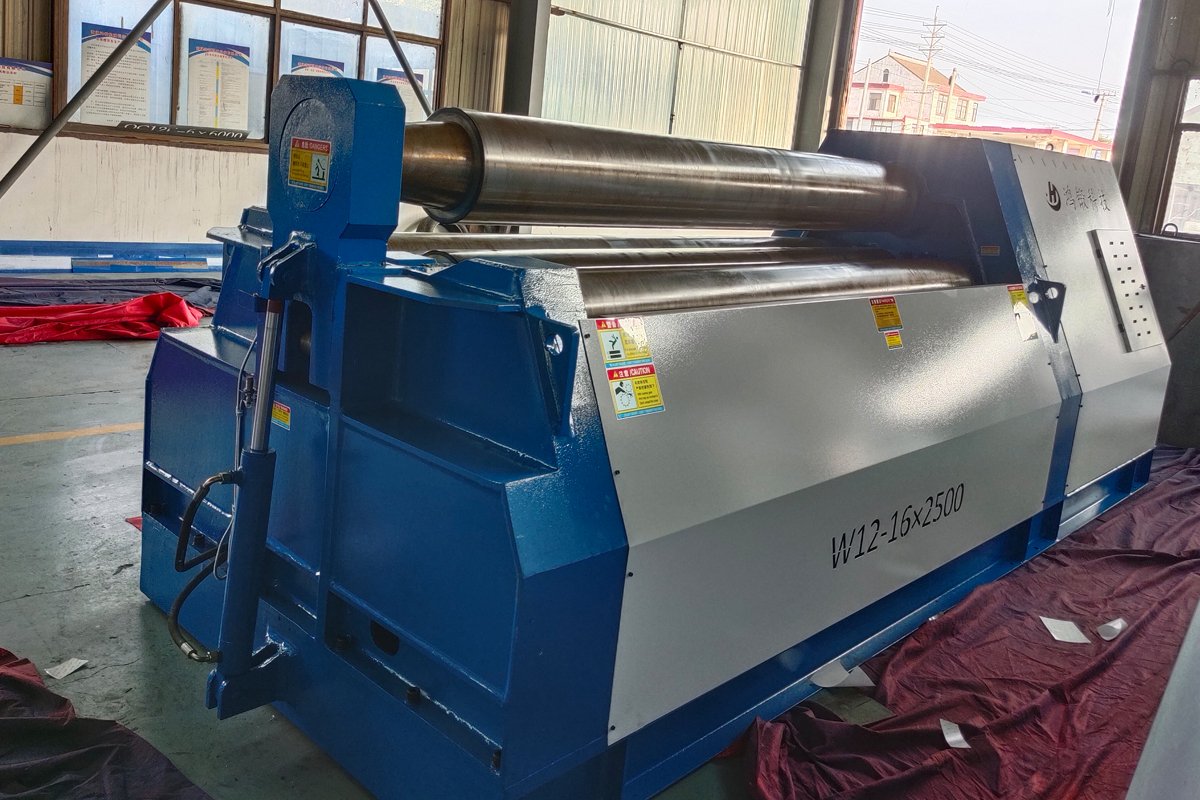
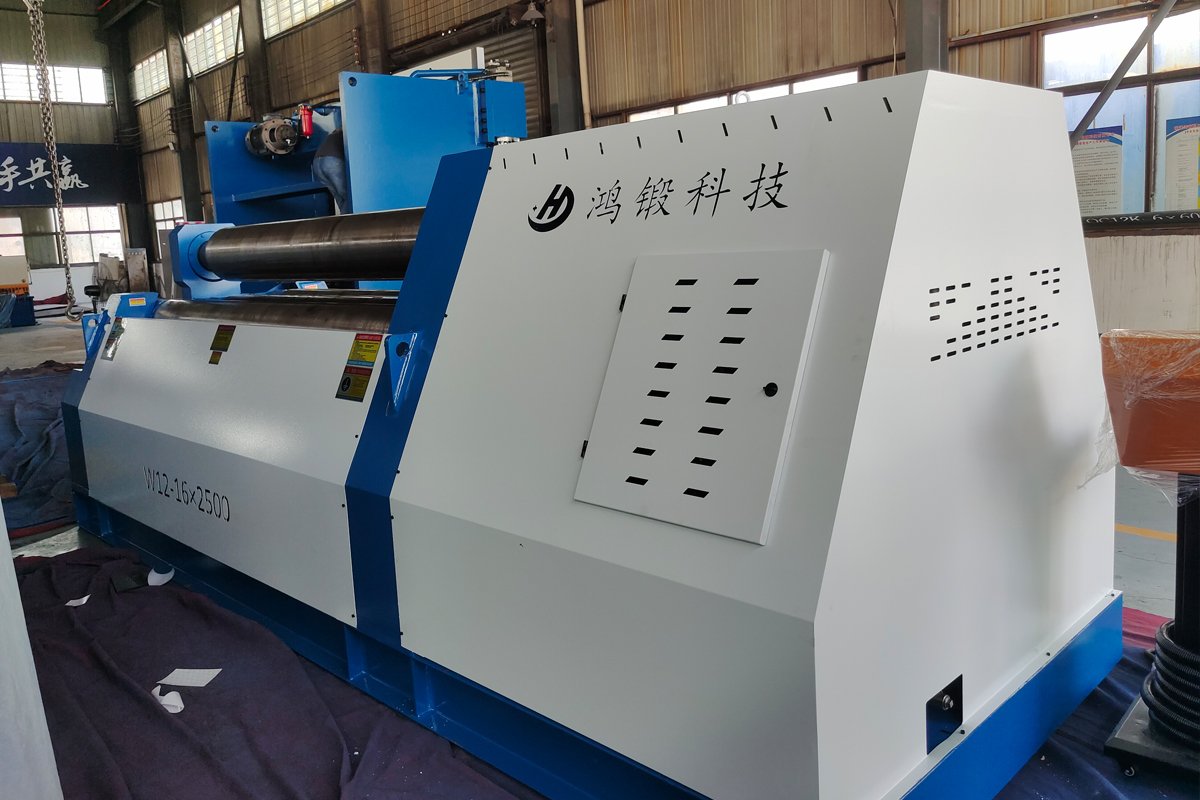
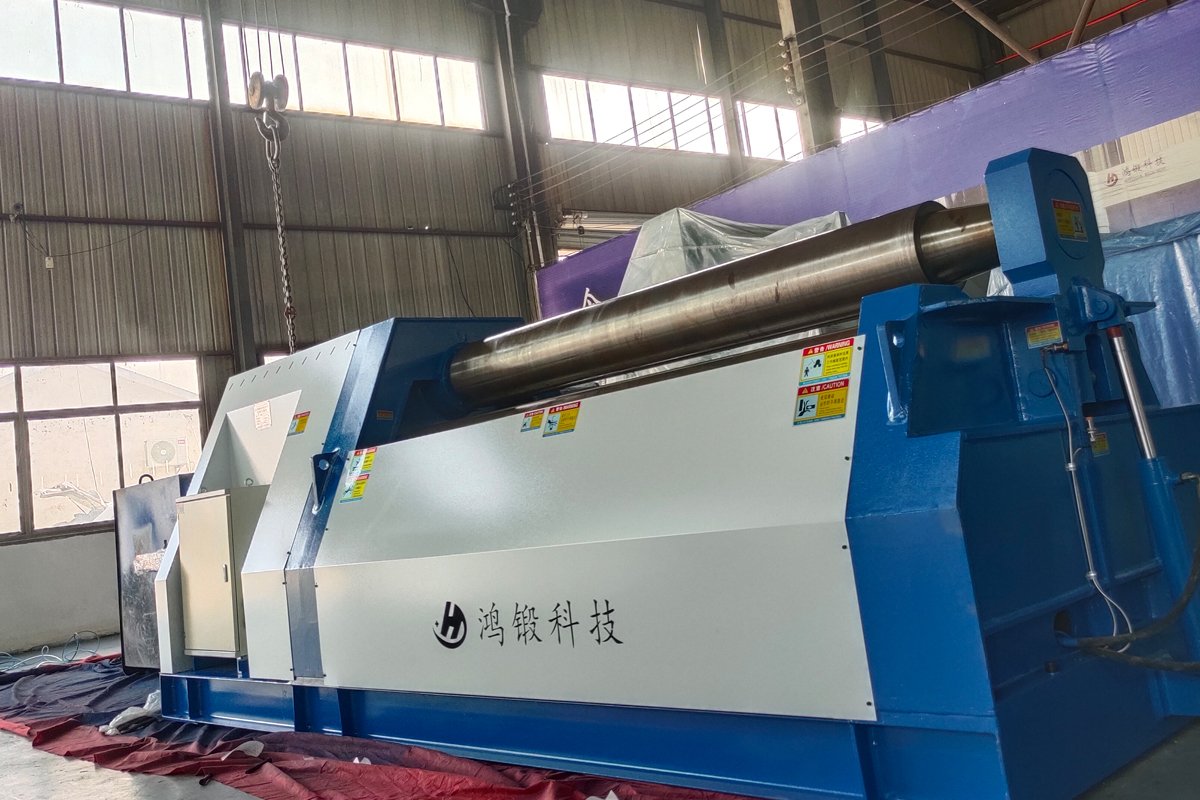
Multiple machine views help buyers evaluate the frame, rolling section, enclosed structure and overall layout before requesting a quotation.
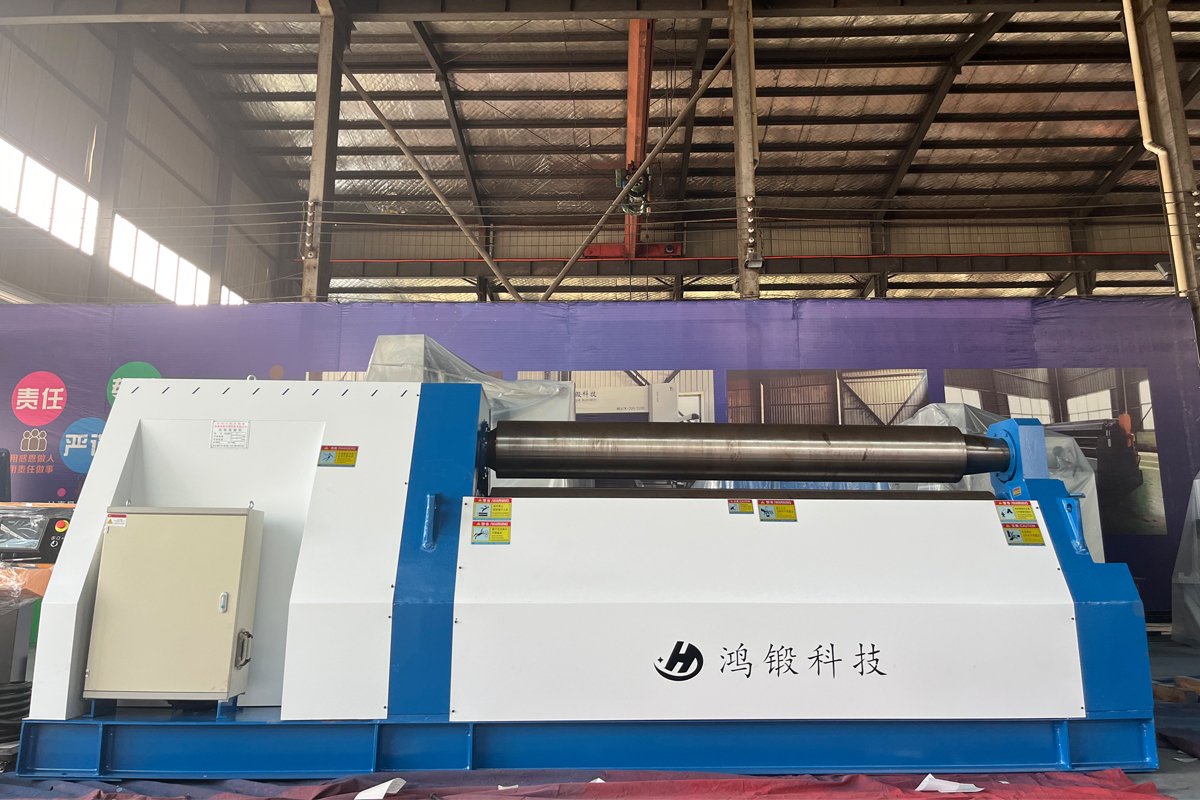
 Angled Machine View
 Hydraulic Rolling Structure
How the W12CNC Four-Roll Plate Rolling Process Works
Four-roll plate rolling combines material clamping, alignment, pre-bending and cylindrical forming within one machine configuration.
1. Plate Feeding and Clamping
The plate is fed horizontally between the upper and lower rolls. The lower roll moves upward to clamp the material against the upper roll and establish stable plate positioning.
2. Plate Alignment
Side-roll positioning helps align the plate before rolling. Correct alignment is important for controlling cylinder geometry and reducing skew during forming.
3. Edge Pre-Bending
The plate remains clamped while the side roll moves upward to bend the plate edge. This integrated process helps reduce the remaining straight section at each end.
4. Cylinder Rolling
The driven upper roll rotates the plate while hydraulic positioning of the side rolls controls forming until the required curved or cylindrical shape is achieved.
Heavy-Duty Four-Roll Structure for Plate Forming
The W12CNC-20x2000 uses four working rolls consisting of one upper roll, one lower roll and two side rolls. The upper roll remains in position and provides the primary rotational drive.
Hydraulic cylinders control movement of the lower and side rolls. This arrangement supports clamping, pre-bending and rolling while keeping the plate under controlled positioning during the forming cycle.
PLC Controlled Hydraulic Plate Rolling Operation
The control system supports machine movement, roll positioning and practical production operation for repeated plate rolling processes.
Roll Position Control
Position information for the lower and side rolls helps the operator manage forming settings and reproduce required machine positions.
Hydraulic Motion Control
Hydraulic cylinders control the lower roll, both side rolls and the drop-end mechanism for the rolling and unloading sequence.
Production Parameter Storage
CNC/PLC control supports practical management of rolling parameters for repeated workpieces and production jobs.
W12CNC 20x2000 4 Roll Plate Rolling Machine Gallery
View the main machine, front, side, rear-side and angled views of the CNC hydraulic four-roll plate rolling machine.
Main Machine
Complete W12CNC-20x2000 CNC hydraulic four-roll plate rolling machine.
Front View
Front machine view showing the rolling area and overall industrial structure.
Angled View
Angled view showing the frame, rolling section and machine body.
Side View
Side view of the enclosed hydraulic plate rolling machine structure.
Rear Side View
Rear-side view showing the machine body and structural layout.
20 mm Four-Roll Plate Roller
W12CNC hydraulic rolling solution for plate pre-bending and cylindrical forming.
Applications of the W12CNC 4 Roll Plate Rolling Machine
The W12CNC-20x2000 can be used in metal fabrication applications requiring curved plate, cylindrical shells and rolled steel components.
Cylindrical Shell Rolling
Suitable for forming steel plate into cylindrical shells and round fabricated components.
Pressure Vessel Components
Plate rolling machines are commonly selected for curved shell components used in vessel and tank fabrication.
Tank Manufacturing
Suitable configuration can support production of cylindrical tank sections and fabricated steel shells.
Machinery Manufacturing
Can be used for rolled covers, curved plates and cylindrical components used in industrial machinery.
Steel Structure Fabrication
Applicable to curved structural plate components according to material strength, thickness and diameter.
Custom Metal Forming
Machine suitability can be evaluated from workpiece drawings, plate specifications and required diameter.
W12CNC 20x2000 4 Roll Plate Rolling Machine Buying Guide
Plate rolling machine selection should be based on material, thickness, plate width, minimum rolling diameter and production requirements rather than model size alone.
Plate Material
Tell us whether the workpiece is carbon steel, stainless steel or another material. Yield strength directly affects required rolling capacity.
Maximum Plate Thickness
Provide maximum rolling thickness and maximum required pre-bending thickness so the machine can be evaluated against the most demanding workpiece.
Plate Width
Maximum plate width should be provided because required machine capacity changes according to the width of material being rolled.
Required Cylinder Diameter
The required inside or outside rolling diameter is one of the most important parameters when selecting a plate rolling machine.
Workpiece Drawing
A drawing helps confirm material dimensions, finished diameter, forming requirements and whether the selected machine is suitable for the production process.
Voltage and Destination
Provide workshop voltage, frequency and destination country or port before final electrical and export configuration is confirmed.
Is a 20 mm Four-Roll Plate Rolling Machine Right for Your Project?
Buyers searching for a 20mm plate rolling machine, CNC 4 roll plate rolling machine or hydraulic plate roller should compare machines according to actual workpiece data.
The W12CNC-20x2000 is rated for a maximum plate thickness of 20 mm and maximum pre-bending thickness of 16 mm under the specified material conditions. Plate strength, width, target rolling diameter and processing method can change the actual capacity required for a project.
Four-roll machines can be attractive when production requires horizontal material feeding, integrated pre-bending and efficient cylindrical forming. The plate can remain clamped during positioning and pre-bending, reducing the need for repeated manual plate handling.
Before ordering, send Hong Forging Machinery your material grade, yield strength, maximum thickness, plate width, required finished diameter and workpiece drawing. These parameters allow the rolling application to be reviewed before final machine configuration.
Explore More Hong Forging Metal Forming Machines
Compare plate rolling machines and other metal fabrication equipment according to plate thickness, width and production requirements.
Plate Rolling Machine Safety
Roll-forming machinery contains rotating parts and ingoing nip points that require appropriate guarding, operator training and safe operating procedures.
Operators should follow the machine manual, applicable workplace regulations and appropriate safeguarding procedures when feeding, rolling, unloading or servicing plate rolling equipment.
For independent machine guarding information, review the Occupational Safety and Health Administration guidance:
W12CNC 20x2000 4 Roll Plate Rolling Machine FAQ
Common buyer questions about the W12CNC-20x2000 hydraulic four-roll plate rolling machine, rolling capacity, pre-bending and machine selection.
What is the W12CNC 20x2000 4 Roll Plate Rolling Machine?
The W12CNC-20x2000 is a CNC hydraulic four-roll plate rolling machine designed for steel plate pre-bending, cylindrical forming and curved plate production.
What is the maximum plate thickness?
The rated maximum plate thickness is 20 mm when processing material within the specified strength conditions.
What is the maximum pre-bending thickness?
The W12CNC-20x2000 is specified with a maximum pre-bending thickness of 16 mm.
What is the roll length of the W12CNC-20x2000?
The machine has a specified roll length of 2050 mm, making it suitable for plate widths within the machine's rated processing range.
What is the minimum full-load rolling diameter?
The technical specification lists a minimum full-load rolling diameter of 800 mm. Actual achievable diameter depends on plate thickness, material strength and forming conditions.
How does a four-roll plate rolling machine work?
The upper and lower rolls clamp the plate while the side rolls move hydraulically to align, pre-bend and form the material. The driven upper roll provides rotation for the rolling process.
What is the advantage of a four-roll machine over a three-roll machine?
Four-roll construction allows plate clamping and horizontal feeding while supporting integrated pre-bending and rolling. It can reduce plate handling during the forming process when the application and machine capacity are suitable.
Does the W12CNC-20x2000 use hydraulic drive?
Yes. The machine uses hydraulic systems for roll movement, with a hydraulic motor and planetary reduction mechanism supporting working-roll rotation.
Does the machine use PLC control?
Yes. The technical specification identifies PLC control for machine operation and rolling process management.
What information should I send for a plate rolling machine quotation?
Send your material type and yield strength, maximum plate thickness, plate width, required finished rolling diameter, workpiece drawing, workshop voltage and destination country or port.
Where can I compare other plate rolling machines?
Visit the Hong Forging Plate Rolling Machine page to compare 3-roll, 4-roll, hydraulic and CNC rolling machine solutions.
Need a W12CNC 20x2000 4 Roll Plate Rolling Machine?
Send your plate material, yield strength, maximum thickness, plate width, required rolling diameter, workpiece drawing, voltage and destination country. Hong Forging Machinery will help confirm a suitable plate rolling machine configuration for your project.