
W11F 6x1600 Asymmetric Plate Rolling Machine
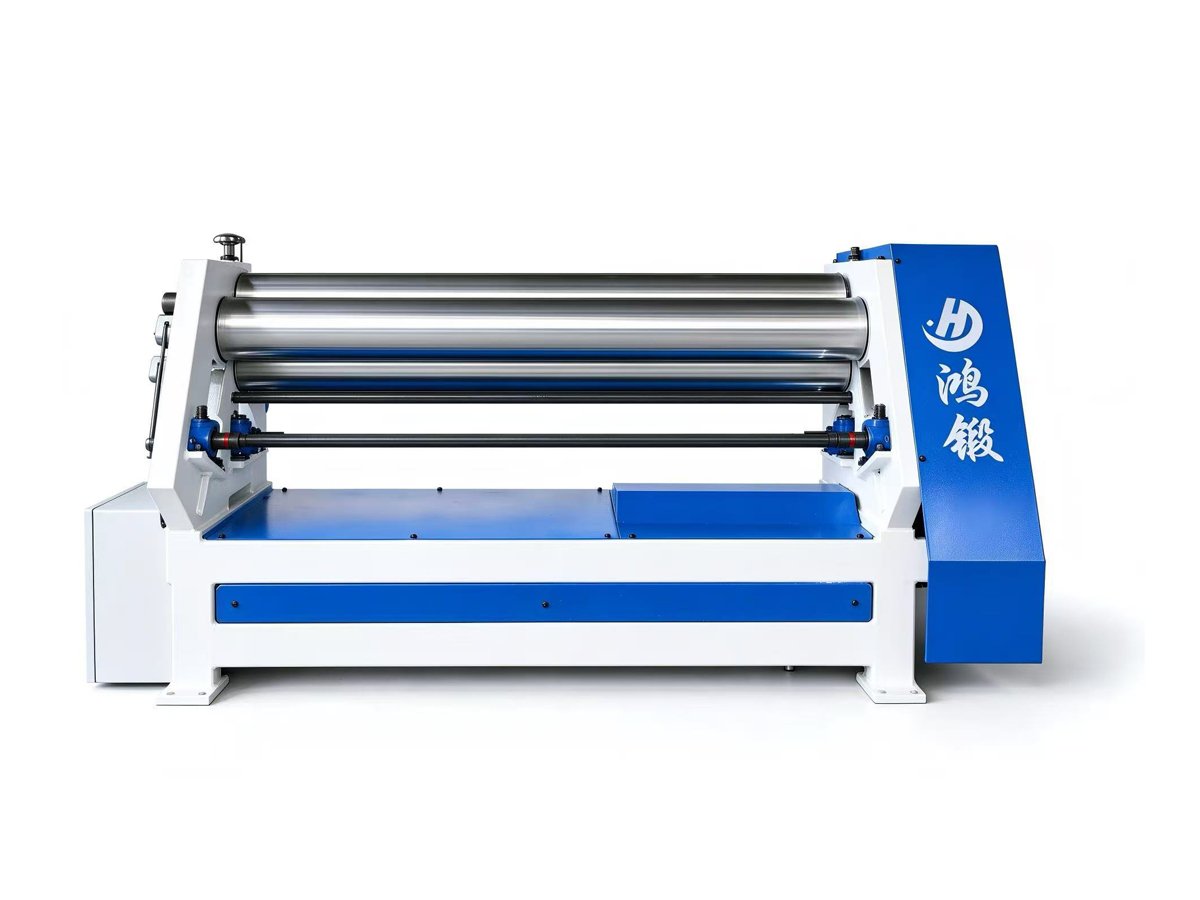
The W11F 6x1600 asymmetric plate rolling machine is a compact mechanical three-roll solution for forming thin sheet into cylinders and curved components. It combines up to 6 mm nominal rolling thickness, 1600 mm working width, three Ø155 mm work rolls and electric synchronous side-roll lifting.
Mechanical Asymmetric Three Roll Plate Rolling Machine
The W11F-6×1600 is an asymmetric three-roll plate bending machine developed for light-gauge sheet rolling, controlled plate-end pre-bending and cylindrical forming. The upper, lower and side rolls are arranged asymmetrically to clamp, feed and form the metal sheet.
The machine has a confirmed maximum working width of 1600 mm and a nominal rolling thickness of up to 6 mm. Practical capacity depends on the material grade, yield strength, actual sheet width, target diameter, springback and required remaining straight edge.
All three working rolls have a confirmed diameter of 155 mm. The rolls are manufactured from 45# forged round steel and processed through rough turning, quenching and tempering, finish turning, surface hardening and cylindrical grinding.
The mechanical drive, electric synchronous side-roll lifting and compact structure make the machine suitable for fabrication workshops requiring practical operation and straightforward maintenance.
- Asymmetric three-roll plate-bending structure
- Up to 6 mm nominal rolling thickness
- 1600 mm maximum working width
- Three Ø155 mm hardened work rolls
- Electric synchronous side-roll lifting
- Optional digital position display
Is the W11F-6×1600 Suitable for Your Workpiece?
Buyers searching for a 6 mm plate rolling machine, 1600 mm sheet-metal roller or mechanical three-roll plate bender should compare the complete forming requirement, not only nominal thickness.
Occasional or Small-Batch Rolling
A practical mechanical solution for fabrication workshops that do not require a high-cost CNC or hydraulic plate rolling system.
Thin-Sheet Cylinder Forming
Suitable for compatible sheet used in ducts, covers, housings, light cylinders and curved fabrication parts.
Easy Operation and Maintenance
Mechanical transmission and compact construction provide straightforward operation for first-time or general workshop users.
Controlled End Pre-Bending
The asymmetric roll layout applies forming force close to the plate edge to help reduce the remaining flat section.
Repeat Workpiece Positioning
Optional digital electric adjustment can display roll position and reduce repeated setup time during batch work.
Verified Machine Selection
Send the material, width, thickness and target diameter so the actual capacity can be confirmed before ordering.
W11F 6x1600 Asymmetric Plate Rolling Machine Advantages
Public buyer discussions about three-roll plate rollers frequently focus on flat ends, slipping, springback, minimum diameter, workpiece removal and ease of operation. The W11F configuration addresses these requirements through controlled clamping and asymmetric forming geometry.
Asymmetric Roll Layout
The offset side roll creates a longer forming lever arm and supports plate-end pre-bending before cylindrical rolling.
Reliable Sheet Clamping
The upper and lower rolls clamp the sheet to create feeding traction and reduce material slipping during repeated rolling passes.
Electric Side-Roll Lifting
Electric synchronous lifting controls the side-roll position and reduces repetitive manual adjustment.
Hardened 155 mm Rolls
The 45# forged steel rolls use a specified HRC45–50 hardness and a multi-stage machining and heat-treatment process.
Compact Mechanical Drive
Mechanical transmission provides a straightforward structure that is practical to operate, inspect and maintain.
Optional Digital Positioning
The optional digital system displays roll displacement and can return the roll to a recorded position for repeated work.
W11F-6×1600 Plate Rolling Machine Parameters
The following values are confirmed by the supplied technical specification. Final rolling capacity must be checked against the buyer’s actual plate material, strength, width, required diameter and forming process.
| Technical Item | Unit | W11F-6×1600 |
|---|---|---|
| Machine type | — | Mechanical asymmetric three-roll |
| Maximum nominal rolling thickness | mm | ≤6 |
| Maximum working width | mm | ≤1600 |
| Upper-roll diameter | mm | Ø155 |
| Lower-roll diameter | mm | Ø155 |
| Side-roll diameter | mm | Ø155 |
| Working-roll material | — | 45# forged round steel |
| Roll hardness | HRC | 45–50 |
| Side-roll lifting | — | Electric synchronous lifting |
| Main motor power | kW | 3 |
| Lifting motor power | kW | 0.75 |
| Reference rolling speed | m/min | 5.5 |
| Control configuration | — | Mechanical; digital electric adjustment optional |
| Base and frame material | — | Q235-A |
| Main electrical components | — | Schneider / Siemens reference configuration |
| Finished-cylinder unloading | — | Manual upper-roll pull-out and reset |
| Reference power supply | — | 380V / 3-phase / 50Hz |
| Operating temperature | °C | −15 to 40 |
| Relative humidity | % | ≤85 |
Roll Arrangement, Frame and Mechanical Drive Details
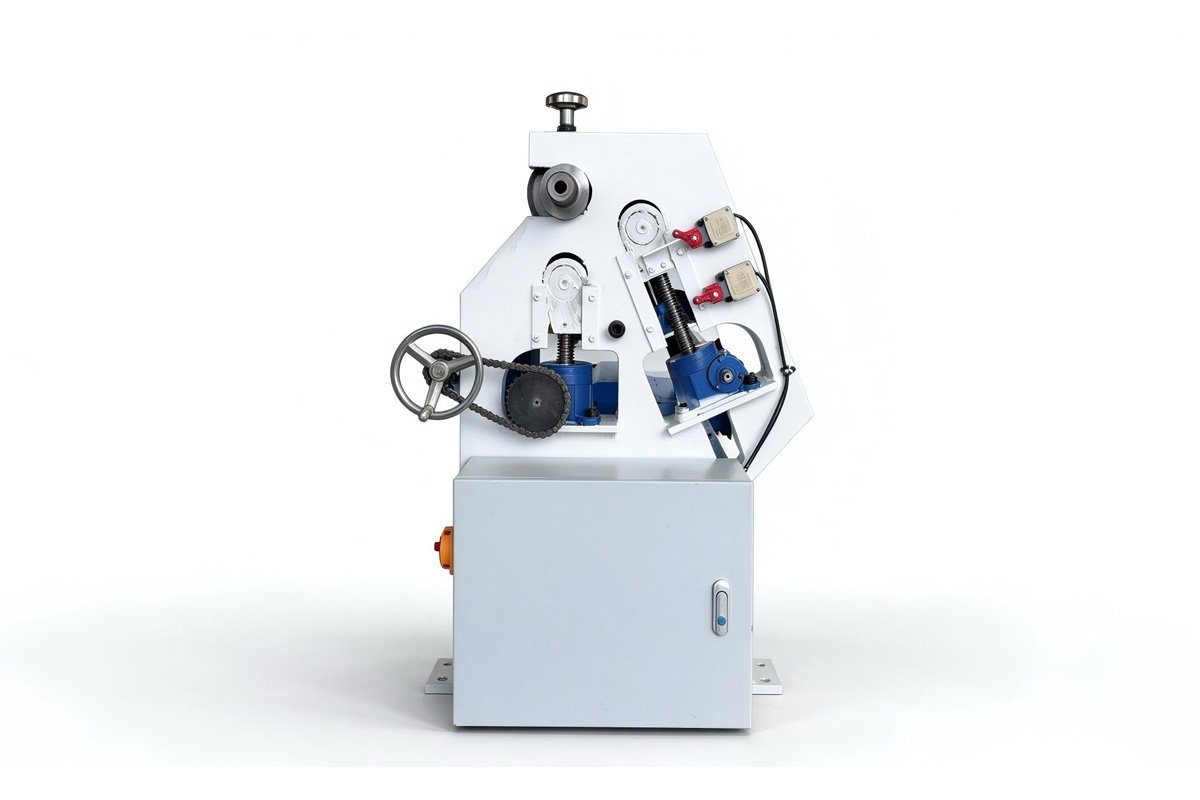
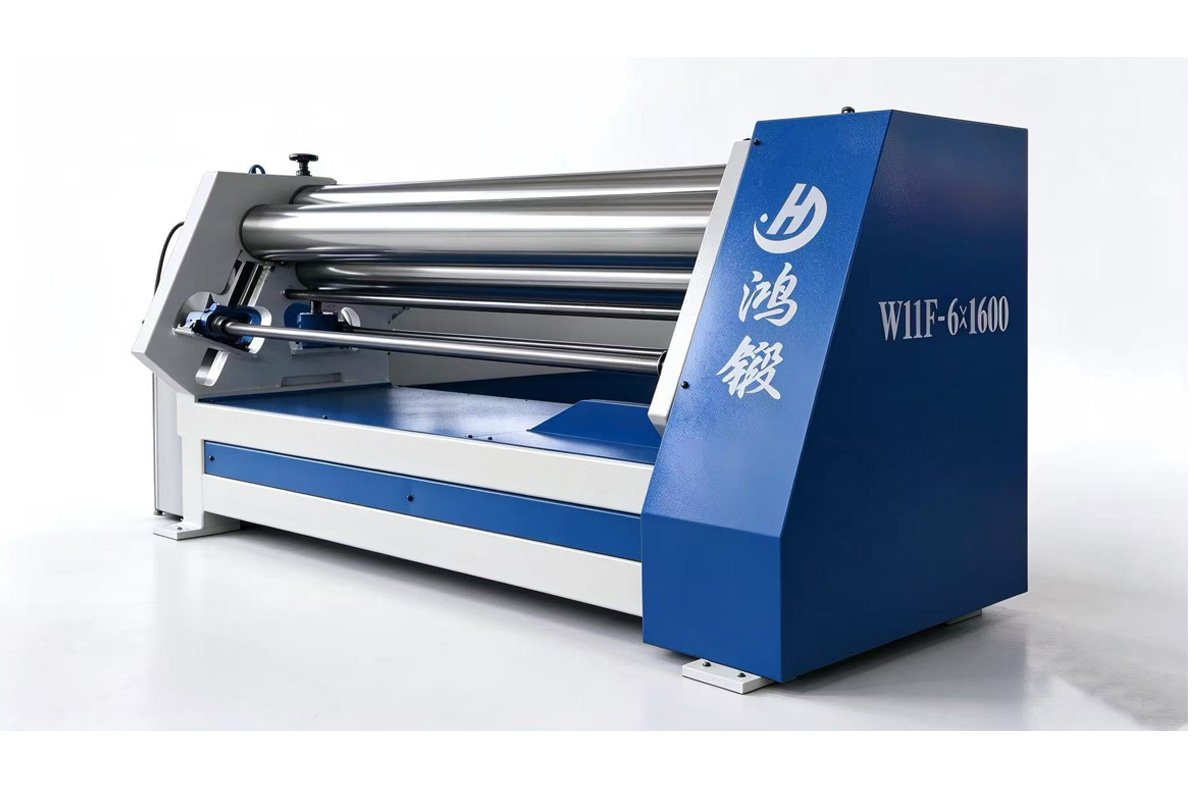
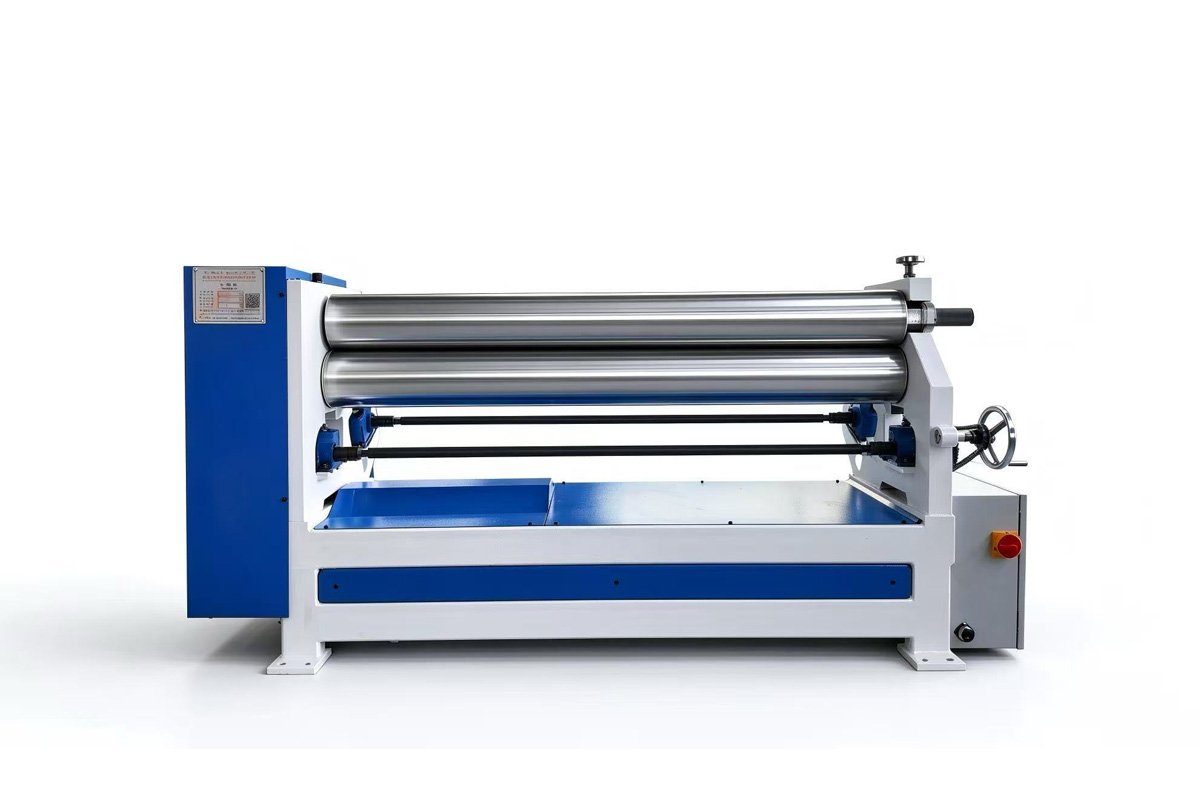
Product images show the compact three-roll arrangement, welded machine frame, mechanical transmission, electric side-roll adjustment and upper-roll discharge structure.
Asymmetric Three-Roll Structure
Angled side view showing the working rolls, sheet-feeding area, rigid side frame and mechanical drive housing.
1600 mm Working-Roll Area
Front structural view showing the upper, lower and side rolls, effective working length and welded machine base.
Mechanical Drive and Adjustment
Close-up of the transmission and adjustment components used for working-roll positioning and machine operation.
Complete W11F Machine View
Complete view of the compact mechanical plate roller for thin-sheet cylinders and curved-component production.
Mechanical Transmission and Electric Roll Adjustment
The upper roll is driven through the mechanical transmission system and can rotate forward or in reverse. The plate and roll surfaces transmit motion to the accompanying roll during the forming process.
The side roll moves along the frame guide and rises electrically to apply forming force. Its asymmetric position relative to the clamping rolls supports both plate-end pre-bending and central cylindrical rolling.
The optional digital configuration displays roll movement and allows the operator to record a previous position for repeated production. This can reduce setup time when rolling similar workpieces.
- Forward and reverse roll rotation
- Electric synchronous side-roll lifting
- Movable operating console
- Handheld operating device
- Optional digital roll-position display
- Emergency-stop and motor protection circuits
How the Asymmetric Three Roll Plate Roller Works
Popular searches such as “how to roll a sheet-metal cylinder,” “plate-roll pre-bending” and “how to reduce flat ends” relate directly to the following operating sequence.
Load and Align
Insert the sheet between the working rolls and align the edge before applying clamping pressure.
Clamp the Sheet
Adjust the lower-roll position to clamp the material and create the traction required for feeding.
Pre-Bend the Edge
Raise the asymmetric side roll and feed the sheet to form the plate edge and reduce the remaining flat section.
Complete the Cylinder
Use gradual repeated passes and position adjustments until the required radius and seam alignment are achieved.
Common Plate Rolling Problems and Selection Risks
Public metalworking discussions frequently mention residual flat ends, material slipping, springback, uneven diameter and machines that cannot reach the expected minimum radius.
Flat Ends Remain After Rolling
Correct pre-bending reduces the straight section, but the final result still depends on material thickness, strength, roll position and operator setup.
Sheet Slips During Feeding
Correct clamping pressure, clean roll surfaces and gradual forming passes help maintain reliable sheet traction.
Final Diameter Is Too Large
Material springback must be considered. The operator may need controlled over-bending and repeated passes to reach the required final diameter.
Cylinder Diameter Is Uneven
Roll alignment, equal side positioning, consistent feeding and first-piece measurement should be confirmed before batch production.
Machine Capacity Is Misunderstood
A 6 mm rating cannot be separated from material strength, working width, minimum diameter and pre-bending requirements.
Finished Cylinder Is Difficult to Remove
The reference machine uses a manually pulled-out upper roll. Finished-workpiece size and weight must be considered before selecting the unloading method.
Thin-Sheet Cylinder and Curved-Component Forming
The W11F 6x1600 asymmetric plate rolling machine is suitable for compatible sheet-metal cylinders, ducts, curved covers and light fabricated components. Each project must be checked against material strength, sheet width and target diameter.
HVAC Ducts
Cylindrical and curved sheet components for ventilation and air-handling systems.
Electrical Enclosures
Curved covers, housings and sheet-metal cabinet components.
Small Containers
Compatible light-gauge cylindrical shells and container components after capacity verification.
Machinery Guards
Curved protective panels, equipment covers and machine housings.
Metal Furniture
Decorative arcs, circular panels and curved furniture components.
Signs and Displays
Curved metal signs, display panels and circular decorative structures.
General Fabrication
Small-batch cylindrical and curved sheet-metal work for fabrication workshops.
Training Workshops
Compact mechanical structure for operator training and practical metal-forming instruction.
How to Select a Three Roll Plate Rolling Machine
Search terms such as “plate rolling machine price,” “6mm sheet metal roller” and “minimum rolling diameter” represent strong purchasing intent. A correct quotation requires complete workpiece data rather than thickness alone.
- Plate material and exact material grade
- Material yield or tensile strength
- Minimum and maximum plate thickness
- Maximum effective working width
- Required cylinder inside diameter
- Required cylinder outside diameter
- Pre-bending and flat-end requirement
- Cylinder, arc or cone drawing
- Required roundness and dimensional tolerance
- Batch quantity and daily production schedule
- Finished-workpiece size and weight
- Destination voltage and safety requirements
Compare Plate Rolling and Metal Forming Solutions
Review related machines, manufacturing capability, quality-control information and machinery safety principles before confirming your equipment configuration.
Follow machine tests, workpiece demonstrations and delivery updates on Hong Forging Machinery on Facebook .
W11F 6x1600 Asymmetric Plate Rolling Machine FAQ
Answers to buyer questions about thickness, working width, minimum diameter, pre-bending, stainless steel, flat ends, workpiece unloading and model selection.
What is the maximum rolling thickness?
What is the maximum working width?
What are the diameters of the three rolls?
Can the W11F-6×1600 pre-bend plate ends?
What is the minimum rolling diameter?
Can the machine roll 6 mm stainless steel?
How is the side roll adjusted?
How can flat ends be reduced?
How is the finished cylinder removed?
What information is required for a quotation?
Need to Roll 6 mm Sheet up to 1600 mm Wide?
Send your plate material, yield strength, thickness, working width, target diameter, pre-bending requirement and drawing. Our team will verify the practical rolling capacity before preparing your technical proposal.